

By Mónica Rincón | CNN
Spanish Conquest
Apologizing to the native peoples who were conquered and at times razed is nothing to be dismissed, no matter how much time has passed, above all because the effects of the injustices committed endure.
Original in Spanish See the original
Tamaño de letra
Interlineado
Contraste
Se recuerda en este equipo. Con tu cuenta, se guarda en tus preferencias y te sigue en todo el sitio.

The prairie caught fire. Mexico's president asked the Spanish Crown and the Vatican to apologize for the wrongs of the conquest. And what followed was indignation and accusations. Each side may well use this to score political dividends, but to me it looks like an opportunity to reflect.
Apologizing to the native peoples who were conquered and at times razed is nothing to be dismissed, no matter how much time has passed, above all because the effects of the injustices committed endure.
It has to do, as the academic Verónica Figueroa has said, with accepting that part of the disadvantage these peoples suffer today, who still have the worst indicators of poverty and in other areas, has more than a little to do with what the conquest was. A period when people were dominated by force, when ways of life and forms of political organization were discarded, when prejudices were created (it was even said that native peoples had no soul) and so much more. There is a Western way of looking at the world, and it was imposed over the other. Yes, it was by blood and fire, and modern States also took up and perpetuated part of that logic.
To this day, in Chile for example, those who belong to those ethnic groups are not in the relevant spaces of power, and their languages have disappeared or are not part of our culture.
Apologizing to the native peoples is necessary. That is how it was understood and recommended by the Commission on New Treatment of Indigenous Peoples, whose members ranged from the current finance minister, Felipe Larraín, to Aucán Huilcamán.
When an apology is offered, it is not the monarch or the president of the day who offers it. It is the representative of a State who offers it in the name of that State, an institution that endures over time, just as the effects of the wrongs committed endure, even though centuries have passed. The Selk'nam man displayed in a human zoo in Europe is the great-grandfather of someone who lives in Chile today.
If that apology is understood as a new way of relating, of changing power structures, it helps. The native peoples deserve gestures, which are no more than that, but no less either. Because reparation for human rights violations is a permanent necessity.
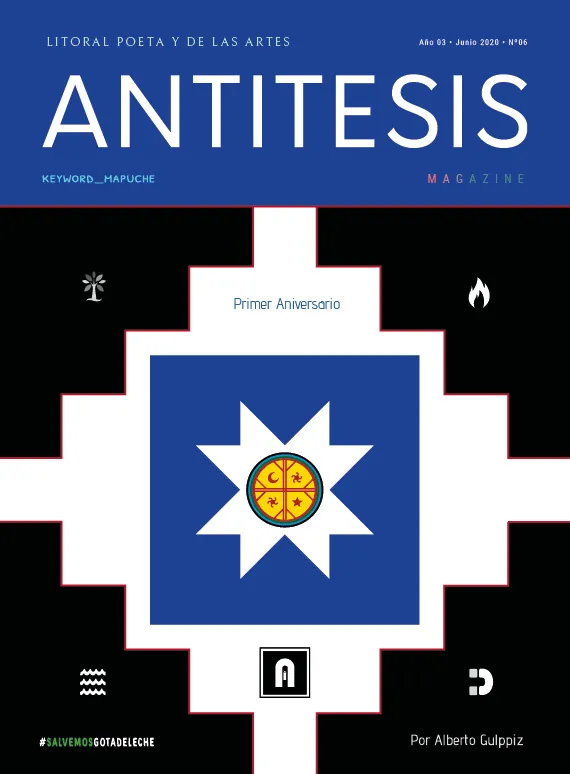
It was also published in the sixth edition of Antítesis magazine: Mapuche
Source: CNN
Las columnas expresan la opinión de sus autores.
Keywords
CommentsReplies
Nadie ha dejado huella todavía. Deja la primera.

 Pablo Salinas

