Ruta Neruda
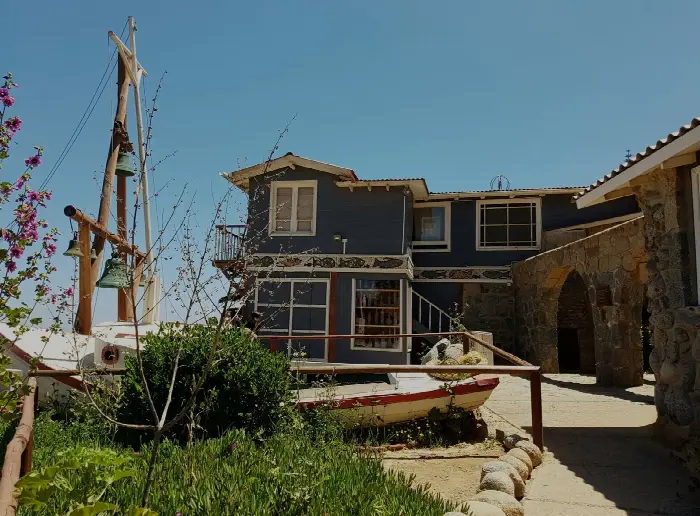
The poet's intimacy with the ocean: Isla Negra, Cantalao and the table facing the sea.


Cuatro astros, una costaFour stars and an overcast sky
Cada astro brilla sobre su lugar, ordenados como la costa. Alrededor, los creadores que ya partieron: el tamaño de cada estrella es su brillo en la constelación, y las líneas unen a quienes se suman a un astro o se relacionan entre sí. Toca una estrella.
El tamaño de cada estrella es su brillo: Astro, Lucero, Fulgor, Centella y Destello.
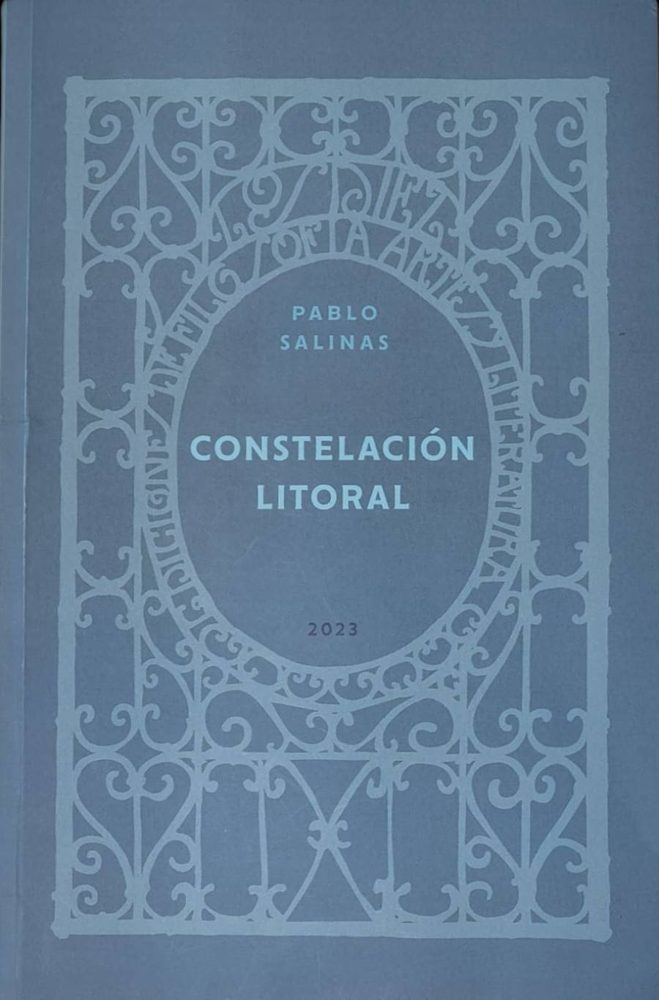
The book behind this sky
Pablo Salinas · Ediciones de Los Diez · 2023
Pablo Salinas, a painter, writer and researcher from Algarrobo, recovers the cultural figures linked to this coast of no more than 30 kilometers, beyond the triad of Neruda, Huidobro and Parra. This section grows out of his book, and he looks after it with us.
This section is a tribute to Constelación Litoral, the book by Pablo Salinas (Ediciones de Los Diez, 2023).
Sold directly by the author on WhatsApp: Litoral Poeta takes no fee and is not a middleman.Ordenado como la costa. Pasa sobre un nombre y su estrella se enciende en el cielo; tócalo para abrir su página.
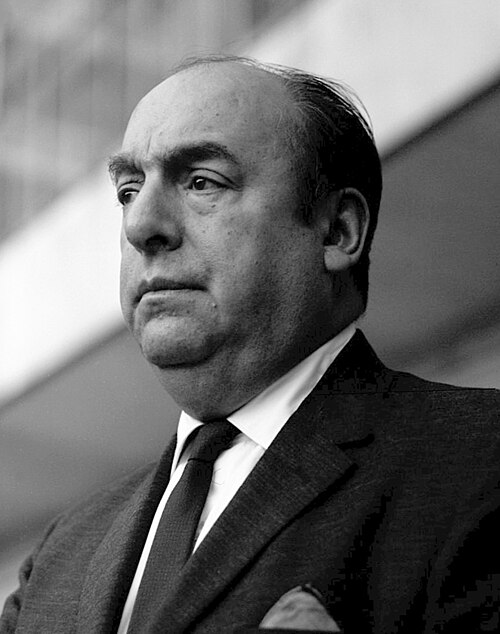
The planetary giantThe one everyone knows (even without having read him)
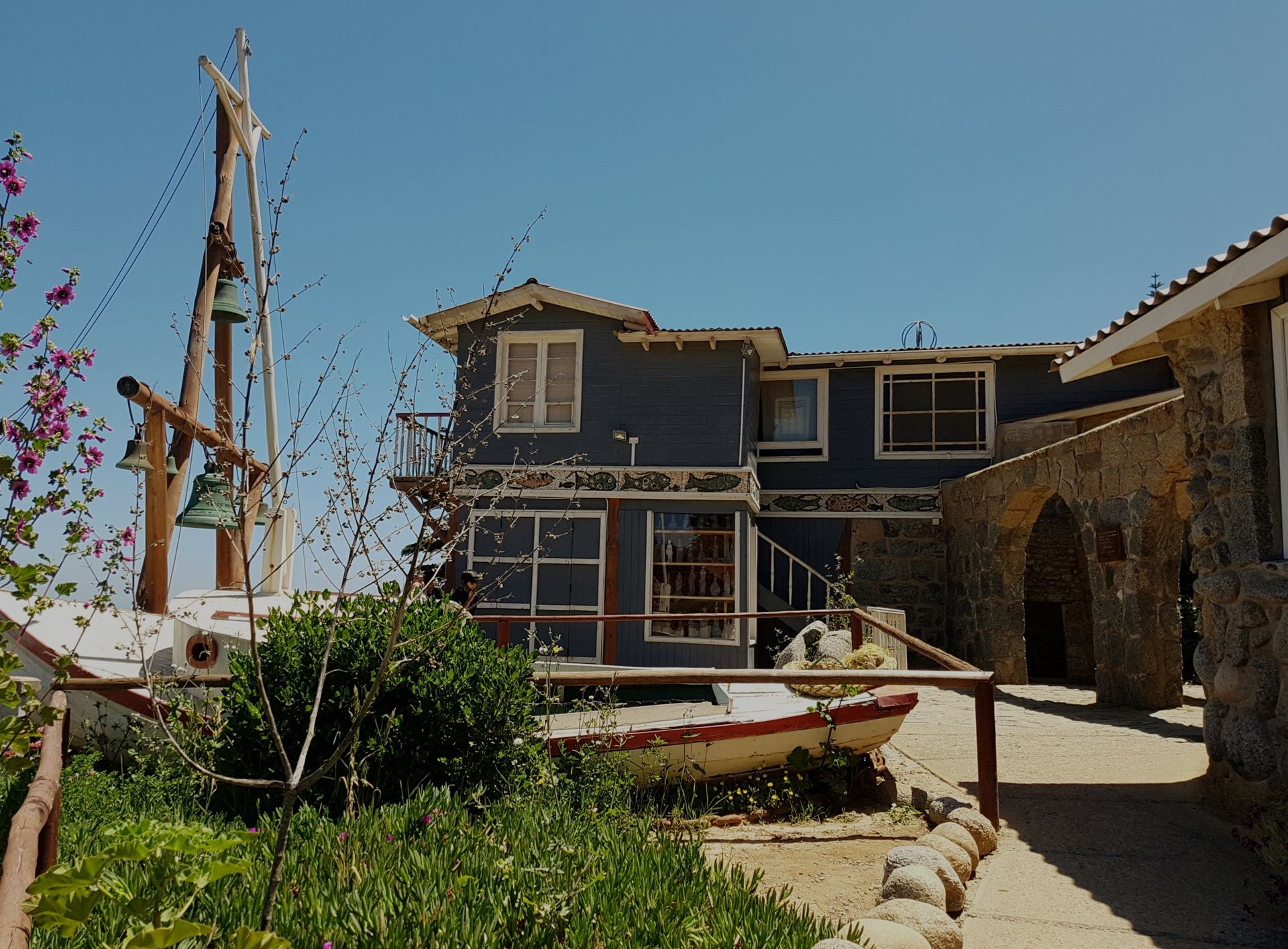
Nobel Prize in Literature in 1971 and the coast's door to the world. García Márquez and Picasso hailed him as the greatest poet of the 20th century. He came from a modest home and, through sheer work, reached the highest places. His poetry is as vast as the Andes. In Isla Negra he built his ship-house facing the sea.
The poet's intimacy with the ocean: Isla Negra, Cantalao and the table facing the sea.
He who tousled poetryThe antipoet (not to be confused with the poet)
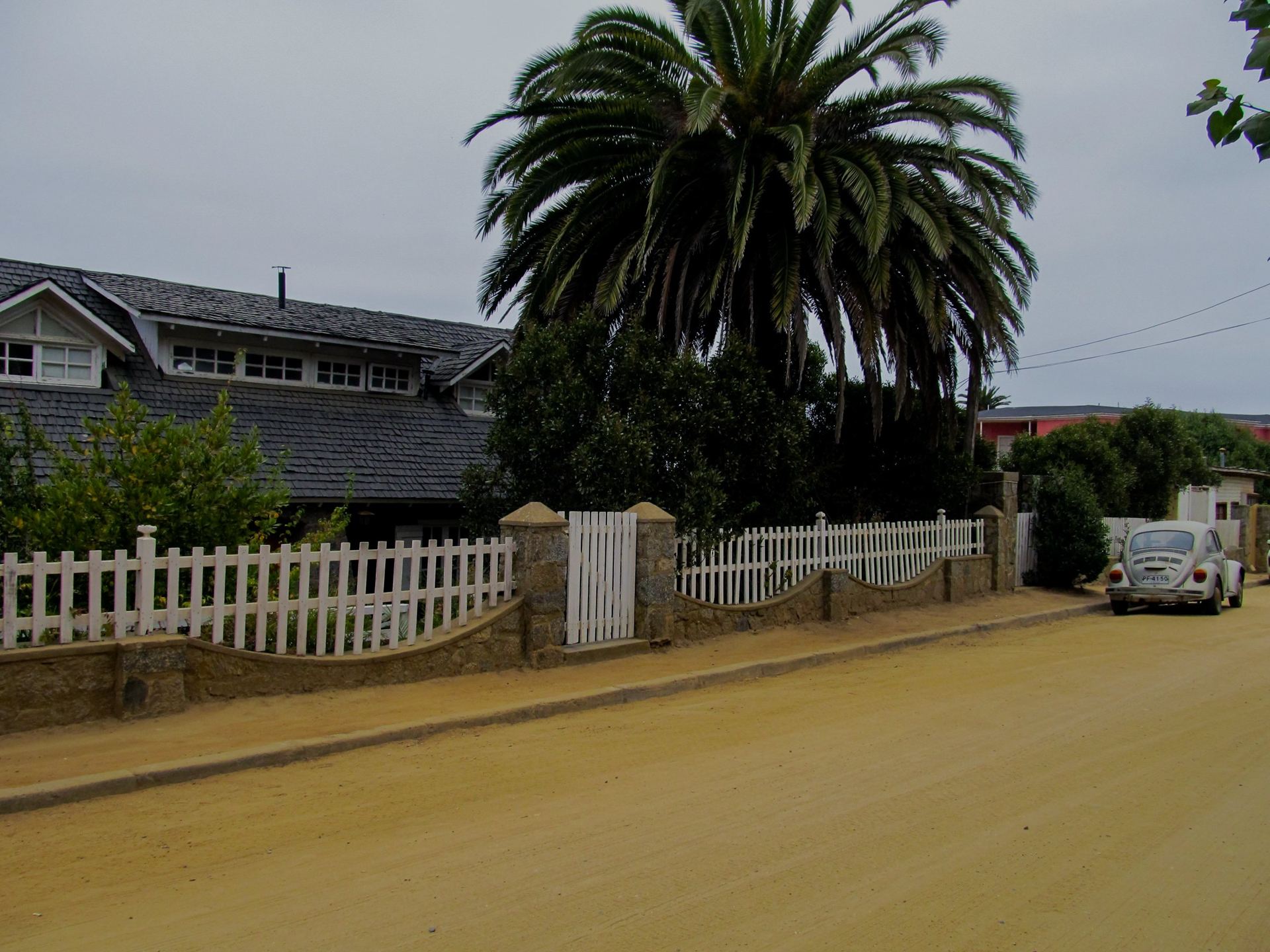
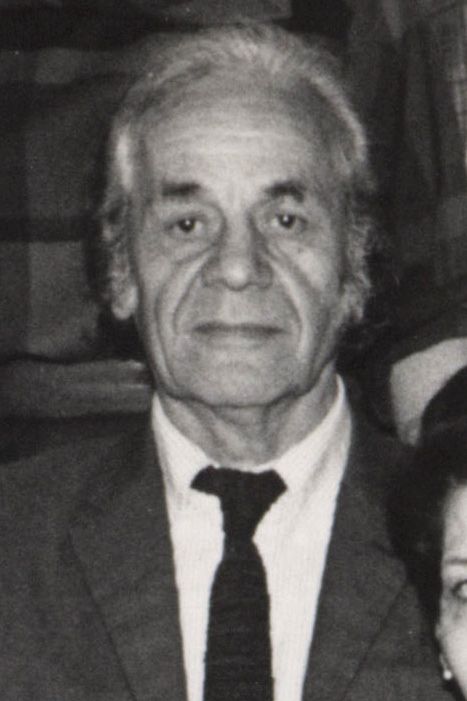
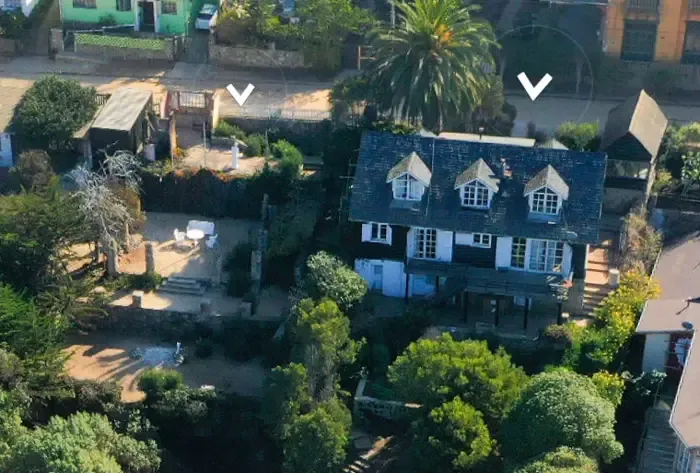
It's impossible to talk about him without thinking of antipoetry. He created artifacts, installations, poems and antipoems, and lived more than a hundred years. Violeta and Roberto called him their brother-father. He came to Las Cruces in the 1980s and is buried there; his houses have been a Historic Monument since 2026. He stands for the Chilean who comes from below and makes his way with intelligence, creativity, study and critical thinking.
Mi poesía puede perfectamente no conducir a ninguna parteLiterary irreverence in Las Cruces, where Nicanor Parra lived until the age of 103 and the sand changes color.
Truly nobleThe magician (and perhaps the first antipoet)
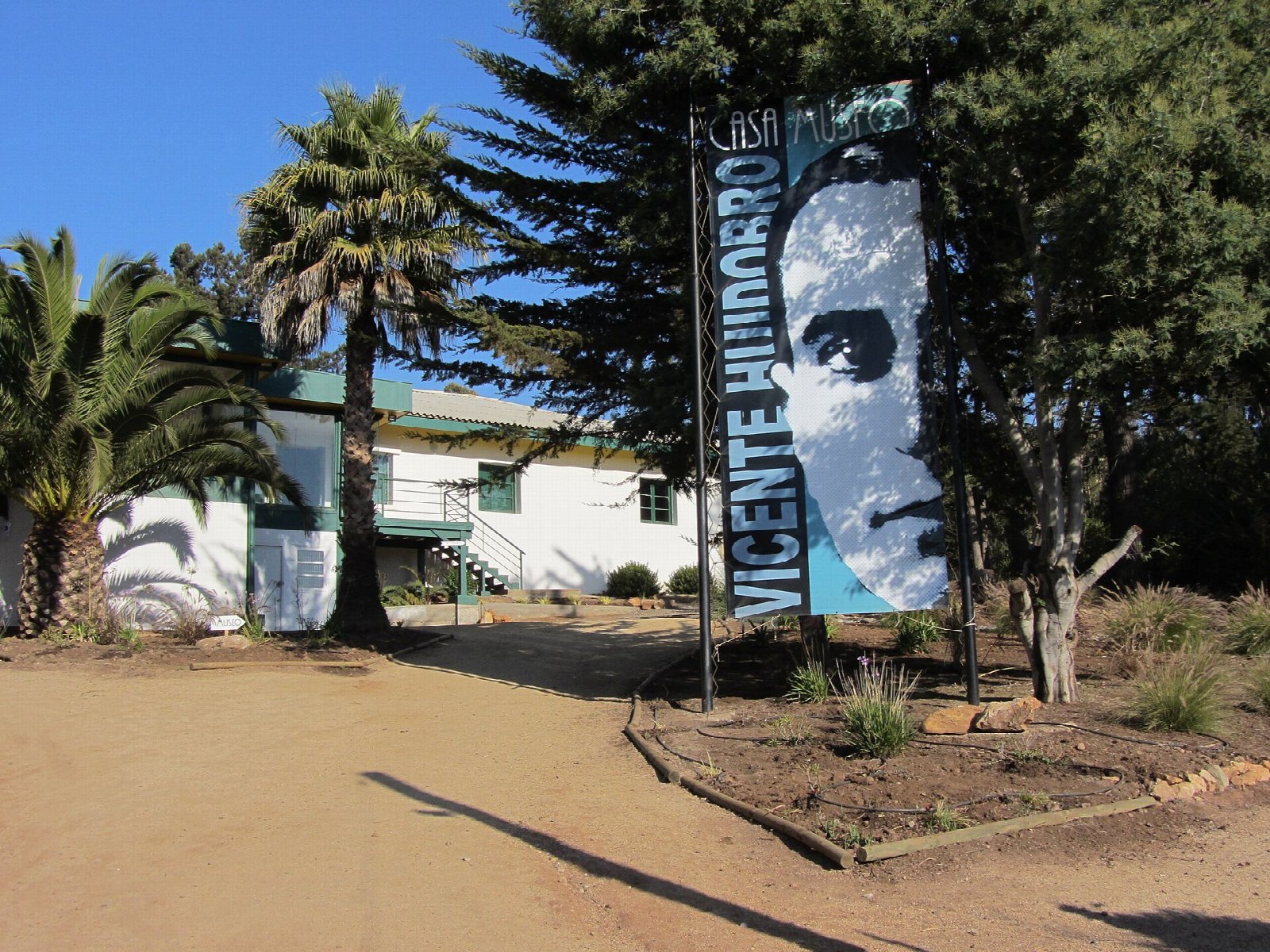
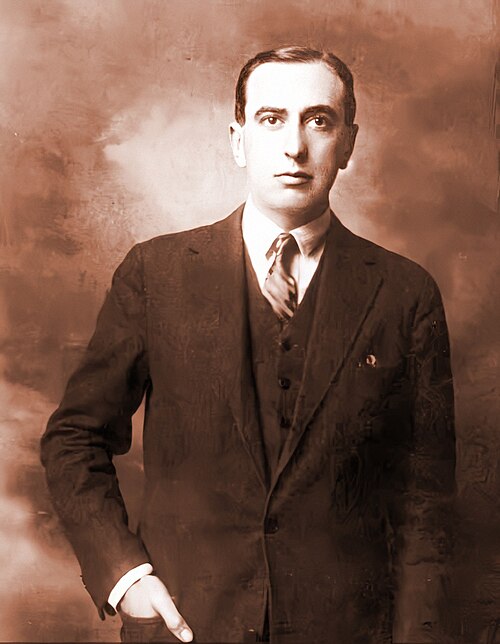
He was born into a wealthy family and, with all its comforts, rebelled against the world. Father of creationism, magician of the image and of calligrams. He stands for the wealthiest part of society, with contacts and opportunities, yet critical and a free thinker. He died in 1948 at his house in Cartagena, now a museum, and rests on the hill, looking out to sea.
Que el verso sea como una llave
que abra mil puertas.The creationist avant-garde in Cartagena and Adolfo Couve's Villa Lucía.
According to Nicanor, the poet of the familyA genius without a diploma (and no need for one)
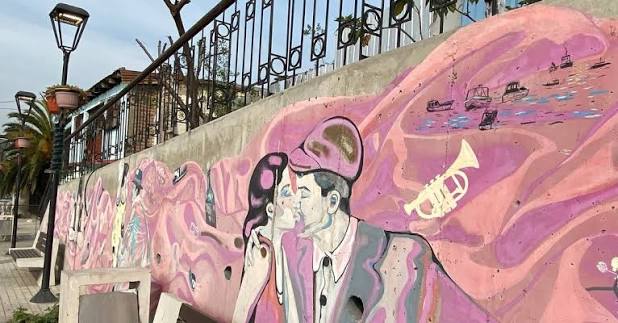
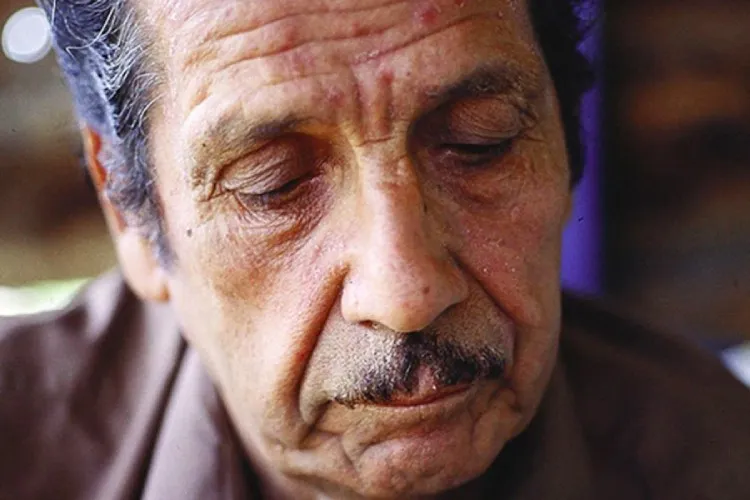
He created two musical styles: cueca chora and jazz guachaca. In 1957 he arrived at the port of San Antonio as a cabaret guitarist, and there he met la Negra Ester, his best-remembered work. He stands for the people: those with street smarts, who never went to university and have no laurels, but are geniuses, good friends, spontaneous and fun-loving.
Roberto Parra's port-city bohemia in the harbor of San Antonio, and wild nature.